

 |
Products
|
Products  Kosher glueless Wigs
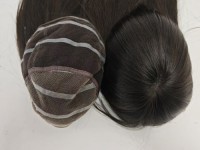
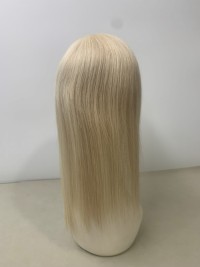
OEM medical silicon hair wigs wholesale in blonde and brunette colour with silk top
Kosher glueless Wigs
OEM medical silicon hair wigs wholesale in blonde and brunette colour with silk top



 491
491Why This kower hair wig (Jewish wig) looks so realestic, because we applied excellent colour dying techinical ,and raw hair materials In the world of professional hair coloring, few procedures demand as much precision and patience as bleaching hair extensions. Unlike natural hair that grows from the scalp and receives continuous nourishment, extensions are isolated strands that have already undergone significant processing before reaching the stylist's hands. The sl


Why This kower hair wig (Jewish wig) looks so realestic, because we applied excellent colour dying techinical ,and raw hair materials
In the world of professional hair coloring, few procedures demand as much precision and patience as bleaching hair extensions. Unlike natural hair that grows from the scalp and receives continuous nourishment, extensions are isolated strands that have already undergone significant processing before reaching the stylist's hands. The slow bleaching process—often referred to as "gentle slow bleaching" in professional circles—has emerged as the gold standard for achieving dramatic color transformations while preserving the structural integrity of the hair.
This technical guide explores the science, methodology, and best practices behind slow bleaching techniques for hair extensions, with particular emphasis on why this approach delivers superior results when working with premium virgin Remy hair.
Understanding the Slow Bleaching Philosophy
Why Slow Bleaching Matters
Standard bleaching protocols often prioritize speed over safety, using high-volume developers and aggressive application techniques that can compromise the hair's cuticle within minutes. Some manufacturers complete the entire bleaching process in as little as three hours by adding excessive bleaching powder—a practice that frequently results in compromised quality.